Geothermal EPC Integration: From Heat to Commercial Power

The commercial challenge for geothermal power is not only whether the subsurface technology works, but also whether the full project can be developed, financed, procured, built, and interconnected fast enough to meet market demand. Engineer-procure-construct (EPC) integration changes the value proposition, shifting a promising heat resource into a coordinated power project with fewer handoffs, earlier cost visibility, and clearer accountability.
Enhanced geothermal systems (EGS) and advanced geothermal systems (AGS) are creating new ways to access heat resources that conventional geothermal development could not readily reach. But proving a subsurface resource is only one part of delivering a commercial power project. Developers must also convert heat into electricity, connect generation to the grid, and build the supporting infrastructure needed for reliable power generation. These surface-side requirements raise a strategic question for emerging geothermal companies: Should operators build these capabilities internally or partner with an experienced EPC contractor?
While subsurface technology may involve first-of-a-kind challenges, above-ground infrastructure largely relies on established power design and construction principles. An EPC partner helps developers leverage these established frameworks, letting them focus resources on novel subsurface technology.
After identifying and validating a subsurface resource, geothermal developers still face substantial work before delivering power to the grid.
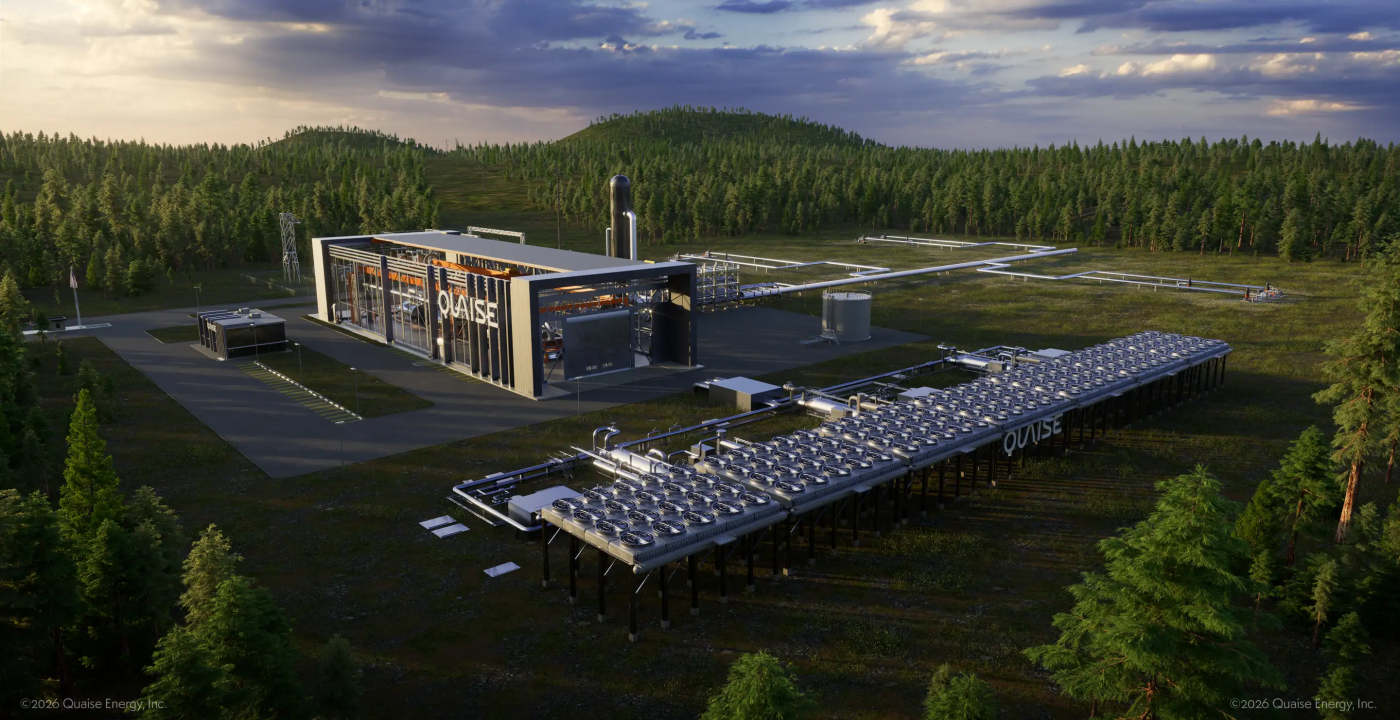
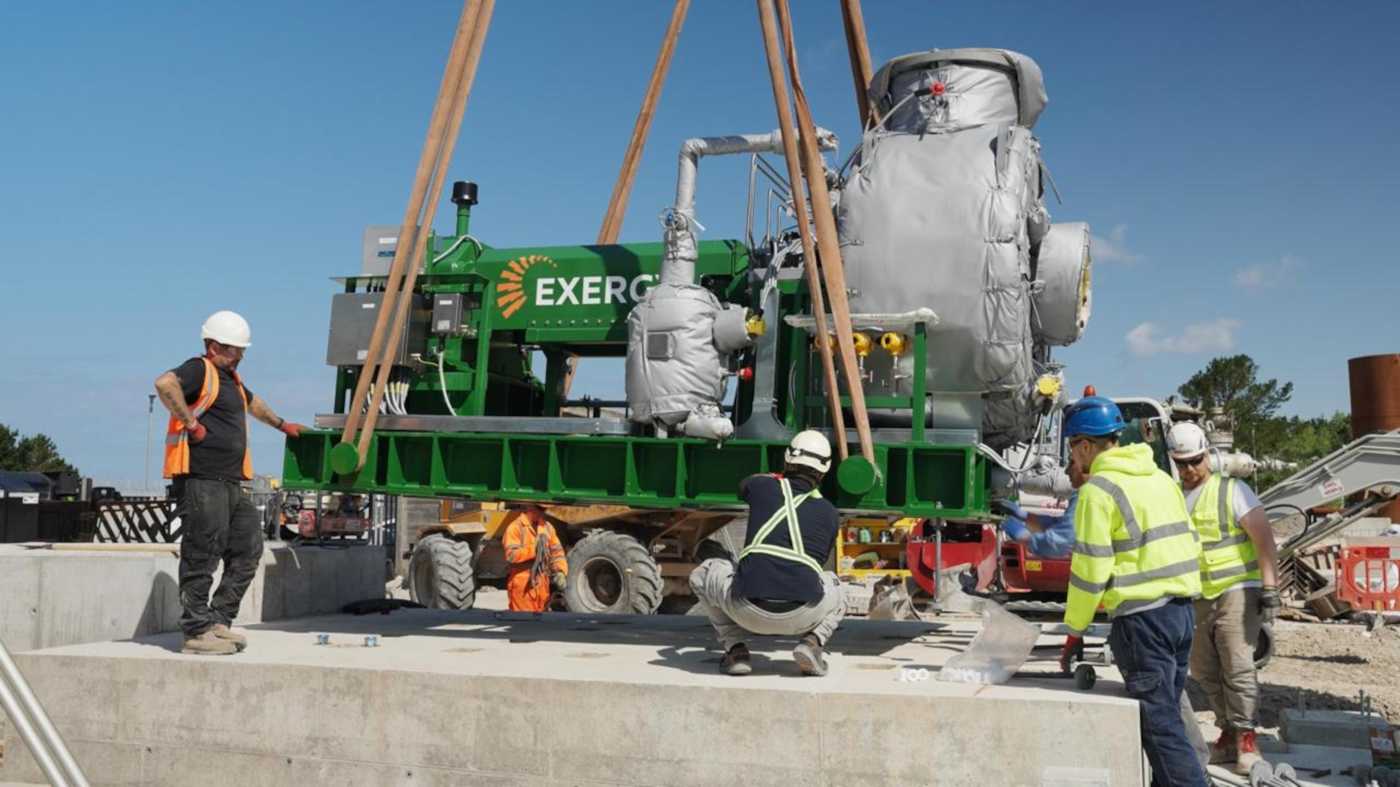
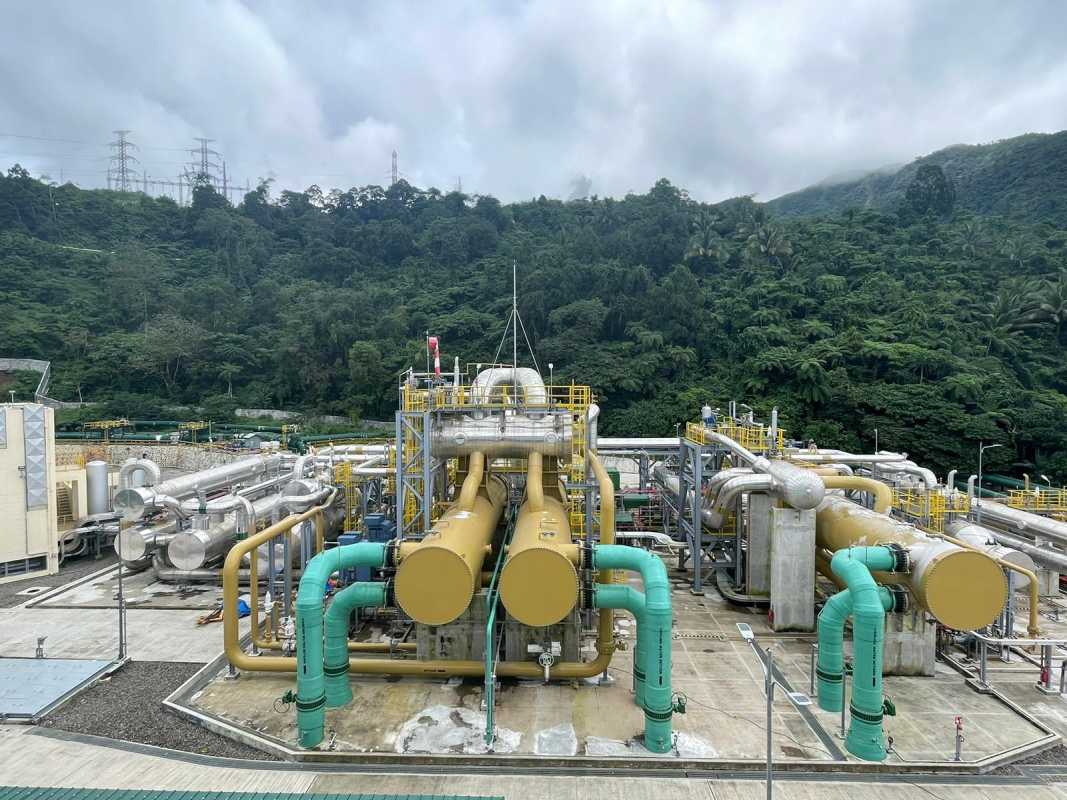
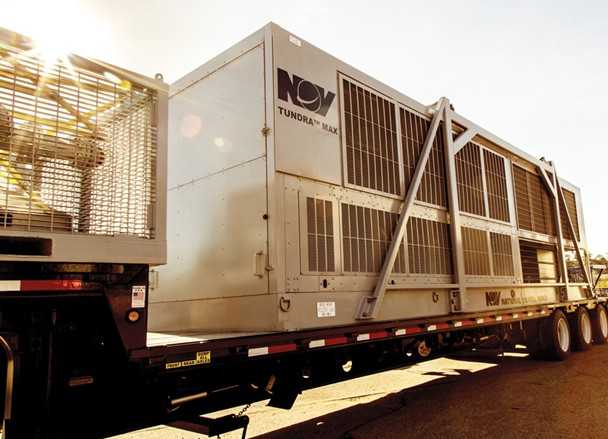
An Organic Rankine Cycle (ORC) system is a well-established technology that transfers heat from the subsurface to a different working fluid that is used to drive turboexpanders for power generation. Equipment outside the ORC is typically more site-specific and can include gathering systems, water treatment, utilities such as compressed air and nitrogen supply, and electrical equipment.
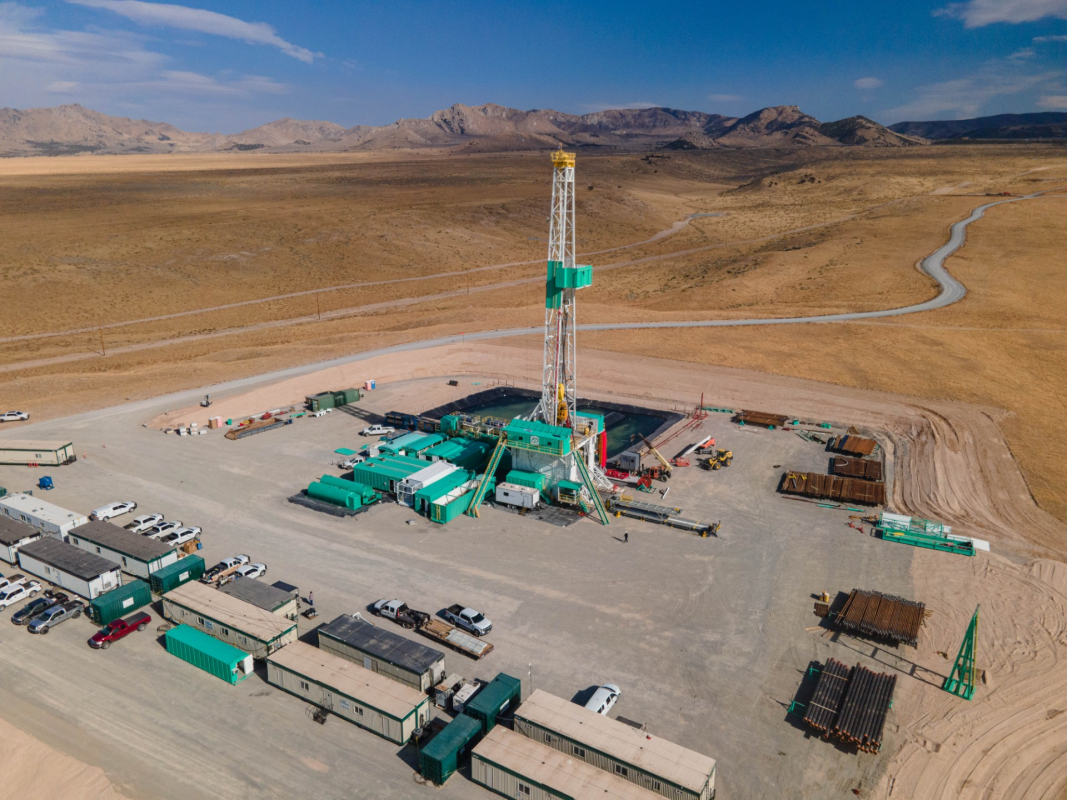
Additionally, civil work is required for well pads, environmental permitting, interconnection facilities, and transmission infrastructure. The surface scope also varies with the selected geothermal subsurface technology.
For example, an EGS project may require more makeup water and greater consideration of the brine brought to the surface, while a closed-loop AGS project can avoid some of those issues.
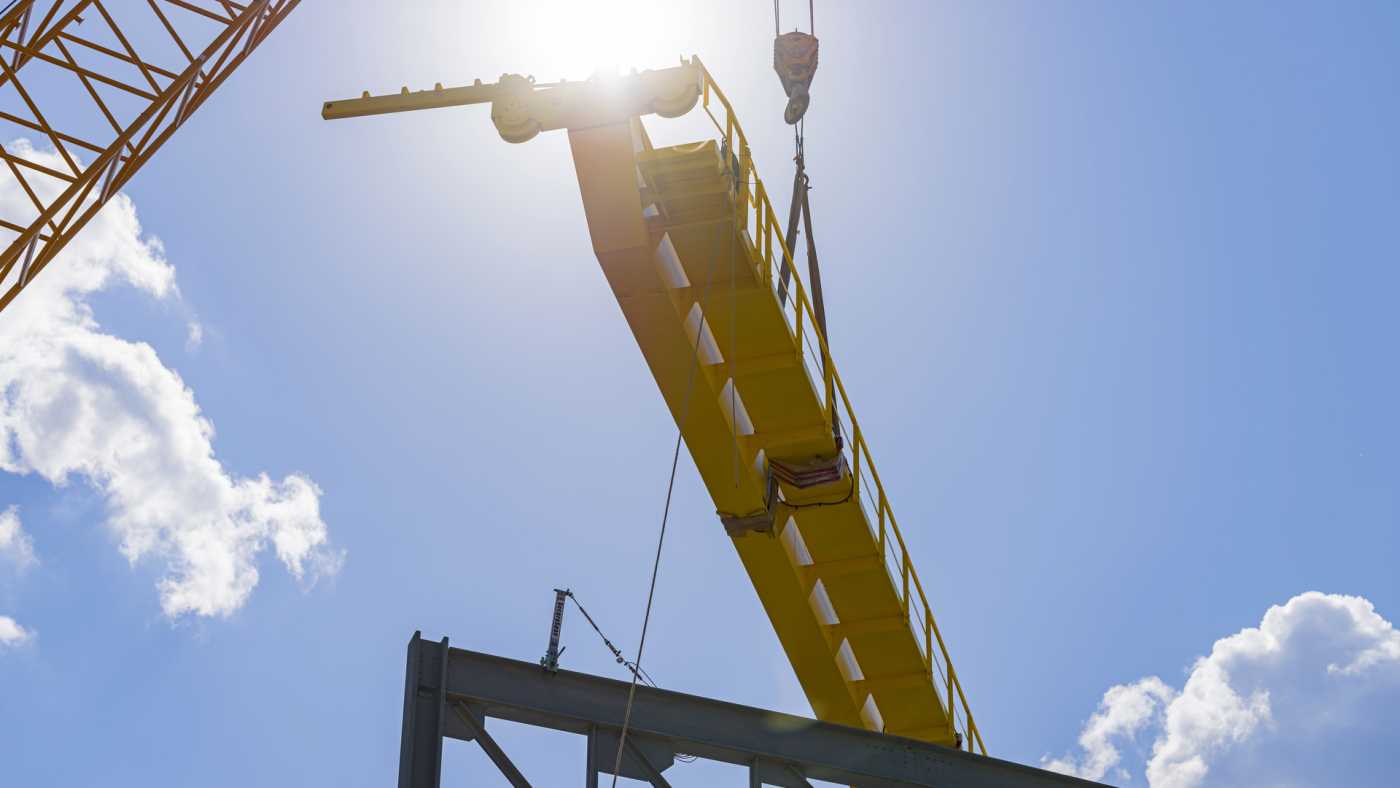
For developers whose core insight and advantage lie primarily in geology and subsurface heat extraction, many of these surface-side considerations fall outside their organization’s core competencies. That is where an EPC contractor can bridge the novel technology under development and the broader infrastructure needed to make it a commercial power asset.
Difficult work often occurs at the intersection of scopes.
One of the most important interfaces is the gathering system between the subsurface resource and the ORC equipment.
The geothermal developer must understand what the wells will deliver from a thermal resource perspective, while the ORC provider has specific requirements for the heat source entering its equipment. The gathering system must successfully connect those sides.
An integrated EPC contractor can occupy that middle ground and facilitate that connection. The EPC firm might review ORC vendor submittals, design and construct associated balance-of-plant systems, and coordinate with the developer on what the subsurface resource is expected to provide. Keeping these activities within an integrated project structure reduces the number of organizational boundaries the developer must manage directly.
The same principle extends to the electrical side of the project. A generation facility must be designed to produce power and satisfy requirements of the applicable grid operator or independent system operator. Consider interconnection and transmission requirements alongside plant design, rather than as isolated downstream activities.
Using multiple contractors on a project increases complexity and creates challenges in coordinating scope, schedules, and responsibilities.
Developers could reasonably consider building more of these capabilities internally. Hiring experienced engineers and project managers can lower direct cost. But assembling talented individuals is different from building a functioning project-delivery organization.
Major capital projects rely on systems, processes, resource networks, and specialized disciplines that may be needed only at specific stages or for limited durations during execution.
A developer could hire capable people with EPC backgrounds, but those individuals would still need to form an organization that can coordinate design, procurement, construction, and project controls at scale. Taking a group of individuals from a patchwork of backgrounds and creating a well-functioning execution organization takes years and requires growing pains that increase risk on early projects.
Workload also changes significantly over a project's life cycle, let alone a portfolio's. Some disciplines may be needed intensively for a period and then scarcely at all.
The value of EPC becomes even clearer when an unusual need arises. A project might suddenly require a specialized water resource study, assistance navigating an endangered species near the site, or a similarly narrow technical assessment. A project might suddenly require a specialized water resource study, assistance navigating an endangered species near the site, or a similarly narrow technical assessment.
Without the extended network of a multidisciplinary EPC organization, the developer would need to identify another consultant, negotiate another contract, and manage another project interface — all for a relatively limited scope. These minor unforeseen scope additions can cause months of delay due to bid evaluation, contract negotiation, and the inevitable slowdown in information sharing when consultants must manage the risk of sharing information with third parties. The advantage, then, is access to an organization built to deploy the right disciplines at the right point in a project.
That organizational reach is particularly important in today's power and infrastructure market.
Labor availability is tight in many regions, and geothermal projects are competing for workers with the construction of data centers, conventional generation, transmission projects, and other large infrastructure investments.
Equipment lead times pose similar challenges. Contractors executing multiple projects continually have ongoing visibility into procurement conditions for everything from transformers and breakers to structural steel and piping. They can incorporate that market insight into schedules before procurement constraints affect the critical path.
Historical assumptions can become outdated quickly. A component that once presented little schedule risk can become a major constraint if its lead time increases sharply and unexpectedly. Discovering that change after following an older development schedule can create months of avoidable delay.
Current market visibility can be as important for advanced geothermal developers as technical experience.
Early EPC involvement could give the project access to information being gathered across an active portfolio of power and infrastructure work.
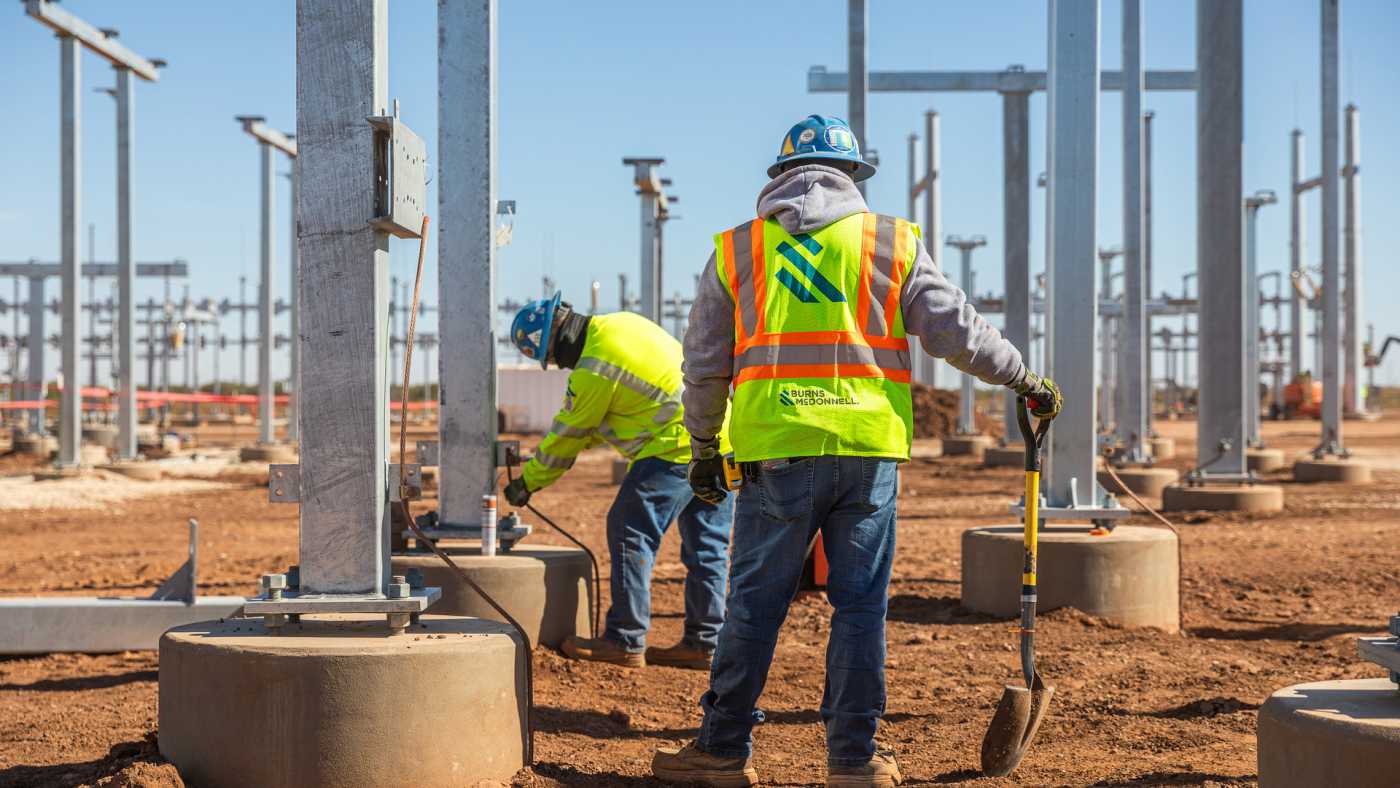
Integration benefits are strongest when they begin during development rather than at construction.
A developer could complete early estimates internally or with one consultant, then bring in a larger EPC organization later. That approach creates a handoff exactly when a project becomes more complex. A new team must learn the design basis, confirm assumptions, and align resources before moving into the next phase.
Bringing an EPC contractor into the development process earlier can promote continuity as estimates mature from preliminary scoping to a final investment.
Third-party estimating also provides a useful outside perspective on project economics.
An independent cost-development process can help test internally held assumptions before major commercial or financing decisions are made. This brings timely, outside, experienced industry perspective to the project.
The result is a development process in which engineering, estimating, procurement planning, and project execution can inform one another before critical commitments are made.
AGS and EGS projects will continue to push technical boundaries in the subsurface. That is where much of the industry’s dramatic upside lies —its advancement is higher risk and higher reward. The surface infrastructure is a fundamentally different category of challenge and should be treated as such.
A mature ecosystem of organizations can deploy new infrastructure using proven technologies.
A practical first step is to identify the specific constraints that could govern the project, including long-lead equipment, labor, interconnection requirements, and the relationship between subsurface development and surface construction. Those elements can then be brought together in an integrated development schedule, rather than progressing independently and relying on later alignment.
The future of geothermal energy relies on subsurface innovators pushing technical boundaries. However, building the surface infrastructure to harvest that heat requires a different set of capabilities. Instead of building complex design and construction organizations internally, developers can leverage established teams that routinely deliver power infrastructure. This division of labor lets developers focus capital and talent on geological innovation while trusting an integrated partner to deliver the commercial power asset.
Member Focus articles are a paid member benefit and are provided by the featured Geothermal Rising member. They do not necessarily represent the views or positions of Geothermal Rising. Publication does not constitute an endorsement of the featured company, its products, services, or opinions.